


Complete Guide to Plastic Welding Guns
Nov. 20, 2026
For construction contractors, geomembrane installers, plastic fabrication workshops, aquaculture pond builders, and industrial maintenance teams, selecting and using a Plastic Welding Gun correctly is critical for ensuring strong, durable, and leak-proof plastic joints in demanding environments.
A Plastic Welding Gun is widely used in HDPE sheet welding, PP tank fabrication, PVC repair, waterproofing projects, and chemical containment systems. Poor selection or incorrect operation can lead to weak weld seams, leakage failures, and costly rework in field applications.
This guide provides a complete breakdown of how Plastic Welding Guns work, how to choose the right model, and how they are used across modern industrial applications.
Why Plastic Welding Gun Applications Are Increasing
The demand for Plastic Welding Guns has increased significantly due to rapid growth in infrastructure waterproofing, environmental engineering, and plastic manufacturing industries.
Key reasons include:
Expansion of geomembrane landfill projects
Rising demand for HDPE water containment systems
Growth in chemical storage tank fabrication
Increasing use in aquaculture pond lining systems
Infrastructure waterproofing requirements in global construction
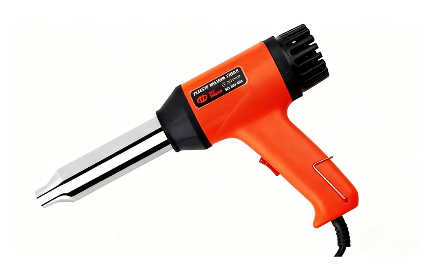
In large engineering projects, a stable Plastic Welding Gun ensures consistent weld strength and long-term sealing performance under pressure, UV exposure, and chemical corrosion.
Key Factors That Affect Performance
Temperature Stability
A high-quality Plastic Welding Gun must maintain stable heat output between 20°C–650°C depending on material type.
Temperature fluctuations can cause:
Weak welding seams
Material burning
Uneven fusion strength
Airflow and Pressure Control
Hot air welding relies on stable airflow distribution to ensure uniform melting of thermoplastics.
Material Compatibility
Common welding materials include:
HDPE welding applications
PP sheet fabrication
PVC membrane repair
ABS plastic joining systems
Each material requires specific temperature and nozzle configurations.
Welding Speed and Efficiency
Industrial projects require consistent welding speed to maintain structural integrity across long seams, especially in landfill and pond liner installations.
Types of Plastic Welding Guns
Hot Air Plastic Welding Gun
Used for:
HDPE geomembranes
Waterproof roofing
Plastic sheet welding
Advantages:
Lightweight operation
High precision control
Suitable for field installation
Extrusion Plastic Welding Gun
Used for:
Thick plastic plates
Chemical tanks
Structural plastic fabrication
Advantages:
High welding strength
Suitable for heavy-duty applications
Strong seam reinforcement
Handheld Plastic Welding Gun
Used for:
Repair work
Small-scale fabrication
Maintenance tasks
Advantages:
Easy operation
Portable design
Low setup cost
Industrial Applications
A Plastic Welding Gun is widely used across multiple industries:
Landfill engineering (HDPE liner sealing)
Aquaculture pond construction
Chemical tank manufacturing
Water treatment systems
Construction waterproofing projects
Industrial plastic repair operations
In these environments, weld quality directly affects system safety and long-term operational reliability.
Common Mistakes in Plastic Welding
Incorrect Temperature Selection
Using excessive heat can degrade material structure, while low heat results in weak bonding.
Wrong Welding Speed
Too fast reduces bonding strength, too slow causes material deformation.
Improper Nozzle Selection
Different materials require specific nozzle designs for optimal airflow and heat distribution.
Ignoring Material Preparation
Dirty or oxidized surfaces significantly reduce weld quality.
Key Parameters Before Purchasing
Before selecting a Plastic Welding Gun, buyers should evaluate:
Operating temperature range
Power output stability
Airflow regulation system
Compatible welding materials
Nozzle types and accessories
Duty cycle for continuous operation
Ergonomic design for field use
Recommended Solutions
For industrial users requiring stable performance and long service life, Changkun Plastic Welding Gun systems provide reliable solutions for HDPE, PP, and PVC welding applications.
These systems are widely used in:
Environmental protection projects
Geomembrane installation systems
Industrial plastic fabrication workshops
Infrastructure waterproofing applications
Chemical containment engineering
With advanced temperature control systems, optimized airflow design, and durable heating elements, Changkun Plastic Welding Guns ensure consistent welding performance even under continuous field operation.
5
0
0
All Comments (0)
Previous: None
If you are interested in sending in a Guest Blogger Submission,welcome to write for us!

Comments